

Introduction
In the world of modeling, a successful photoshoot is never the result of chance. It is the outcome of careful preparation, attention to detail, and the perfect balance between technical precision and artistic expression. Among all the elements that contribute to a powerful image, makeup plays a crucial role.
Makeup is not simply about applying products—it is about enhancing features, adapting to lighting conditions, aligning with creative direction, and ensuring consistency throughout a shoot. Whether working on a high-fashion editorial, a commercial campaign, or a personal portfolio session, the quality of makeup can significantly influence the final result.
For models, understanding the fundamentals of professional makeup is essential. Even when working with makeup artists, having knowledge of key principles allows models to collaborate more effectively, communicate their preferences, and maintain their appearance throughout the shoot.
In this guide, we explore the top five essential tips to achieve flawless makeup for any photoshoot, combining professional techniques with practical advice used across the fashion and media industries.
1. Skin Preparation: The Foundation of Perfection
Before any makeup product is applied, skin preparation is the most critical step. No amount of foundation or contouring can compensate for poorly prepared skin.
Professional makeup always begins with:
- Cleansing
- Hydration
- Priming
Clean skin ensures that there is no residue, oil, or impurities that could affect the application of products. Hydration helps create a smooth surface, allowing makeup to blend naturally and preventing dryness or flaking under studio lights.
A high-quality moisturizer tailored to your skin type is essential. For oily skin, lightweight and oil-free formulas are recommended. For dry skin, richer creams provide the necessary hydration.
Primers are equally important. They act as a base layer that smooths pores, controls shine, and extends the longevity of makeup. In photography, where lighting can be intense, primers help maintain a consistent finish throughout the shoot.
At Christ Models Management, we emphasize the importance of skincare routines as part of a model’s professional discipline. Healthy skin reduces the need for heavy makeup and allows natural beauty to stand out.
2. Understanding Lighting and Camera Effects
Makeup that looks perfect in natural light may not translate the same way on camera. Lighting conditions—whether natural, studio, flash, or editorial—can dramatically alter how makeup appears.
For example:
- Bright lighting can wash out features
- Flash photography can create unwanted shine
- Shadows can exaggerate imperfections
This is why makeup for photoshoots is often slightly more defined than everyday makeup. Contours are sharper, highlights are more controlled, and colors are carefully chosen to remain visible under strong lighting.
Key considerations include:
- Using matte foundations to reduce shine
- Avoiding SPF-heavy products that cause flashback
- Applying slightly more pigment to eyes and lips
- Blending thoroughly to avoid harsh lines
Understanding lighting allows models to anticipate how their makeup will appear in different settings. It also helps them communicate effectively with photographers and makeup artists.
3. Enhancing Natural Features Instead of Masking Them
One of the most common mistakes in makeup application is overloading the face with products. In professional modeling, the goal is not to transform the face, but to enhance its natural structure.
Makeup should:
- Highlight bone structure
- Define key features
- Maintain skin texture
For example:
- Contouring should be subtle and strategic
- Highlighter should enhance, not overpower
- Foundation should even out skin tone without masking it
Authenticity is a key trend in modern fashion and media. Brands and audiences increasingly value natural beauty and individuality.
At Christ Models Management, we encourage models to embrace their unique features. Makeup is a tool for expression, not a mask.
4. Precision and Balance in Eye and Lip Makeup
Eyes and lips are focal points in most photoshoots. Achieving the right balance between them is essential.
Eye Makeup
Eyes should be defined in a way that complements the concept of the shoot. This may include:
- Soft natural tones for commercial work
- Bold colors for editorial shoots
- Smoky effects for dramatic visuals
Key techniques include:
- Blending eyeshadow seamlessly
- Defining lashes with mascara or extensions
- Shaping brows to frame the face
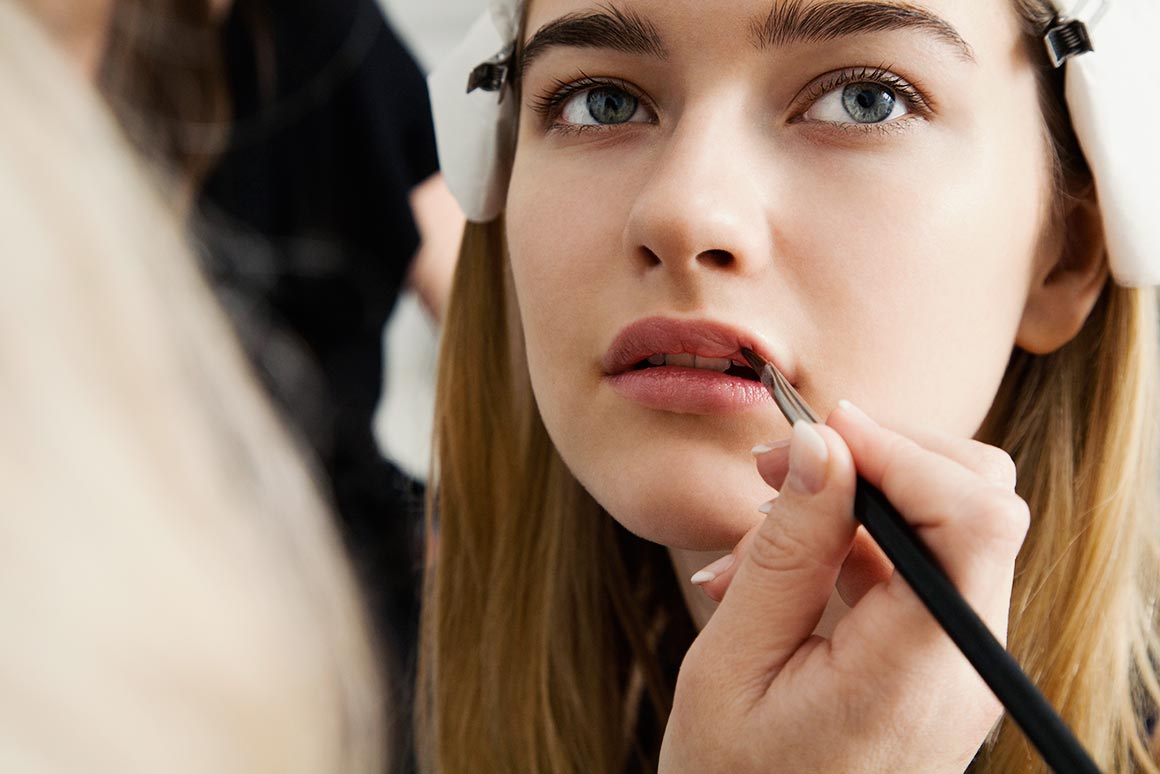
Lip Makeup
Lips should be balanced with eye makeup. If the eyes are bold, lips are often kept neutral, and vice versa.
Lip preparation is also important:
- Exfoliation for smooth texture
- Hydration to prevent cracking
- Precise application for clean lines
Balance ensures that the overall look remains harmonious and visually appealing.
5. Setting and Maintaining Makeup Throughout the Shoot
A photoshoot can last several hours, and maintaining makeup consistency is essential.
Setting techniques include:
- Using translucent powder to control shine
- Applying setting spray for longevity
- Blotting excess oil during breaks
Models should also carry basic touch-up essentials:
- Powder
- Lip product
- Blotting papers
Professionalism includes being able to maintain your appearance between shots. This reduces interruptions and ensures efficiency on set.
The Role of Collaboration
Makeup for photoshoots is rarely a solo effort. It involves collaboration between:
- Makeup artists
- Photographers
- Stylists
- Models
Communication is key. Models should feel confident expressing their preferences while remaining adaptable to creative direction.
Understanding makeup basics allows models to engage more effectively in this collaborative process.
The Evolution of Makeup in the Modeling Industry
Makeup trends continue to evolve, influenced by:
- Fashion movements
- Social media
- Cultural shifts
Recent trends include:
- Minimalist makeup
- Skin-focused beauty
- Inclusive shade ranges
- Sustainable products
The modern model must be adaptable, capable of transitioning between different styles and concepts.
Confidence: The Invisible Element
Beyond technique, confidence plays a crucial role in how makeup translates on camera. A model who feels comfortable and confident will naturally project a stronger presence.
Makeup should enhance confidence, not create dependency.
Conclusion
Perfect makeup for a photoshoot is the result of preparation, understanding, and balance. It requires attention to detail, adaptability, and collaboration.
By mastering these five essential principles—skin preparation, lighting awareness, natural enhancement, feature balance, and maintenance—models can significantly elevate their performance and the quality of their images.
At Christ Models Management, we believe that makeup is not just about appearance—it is about expression, identity, and professionalism.
Leave a Reply